
Plating Food: Techniques to Present Dishes Beautifully
Plating food is the art of arranging food on a plate in a visually appealing way. It enhances the dining experience by making dishes look as good as they taste. Whether you are a home cook or a professional chef, learning basic plating techniques can elevate your meals and impress your guests.
Why Is Plating Food Important?
Food presentation plays a major role in how a dish is perceived. Well-plated food:
Creates a strong first impression
Enhances appetite and enjoyment
Highlights textures, colors, and ingredients
Reflects creativity and care in cooking
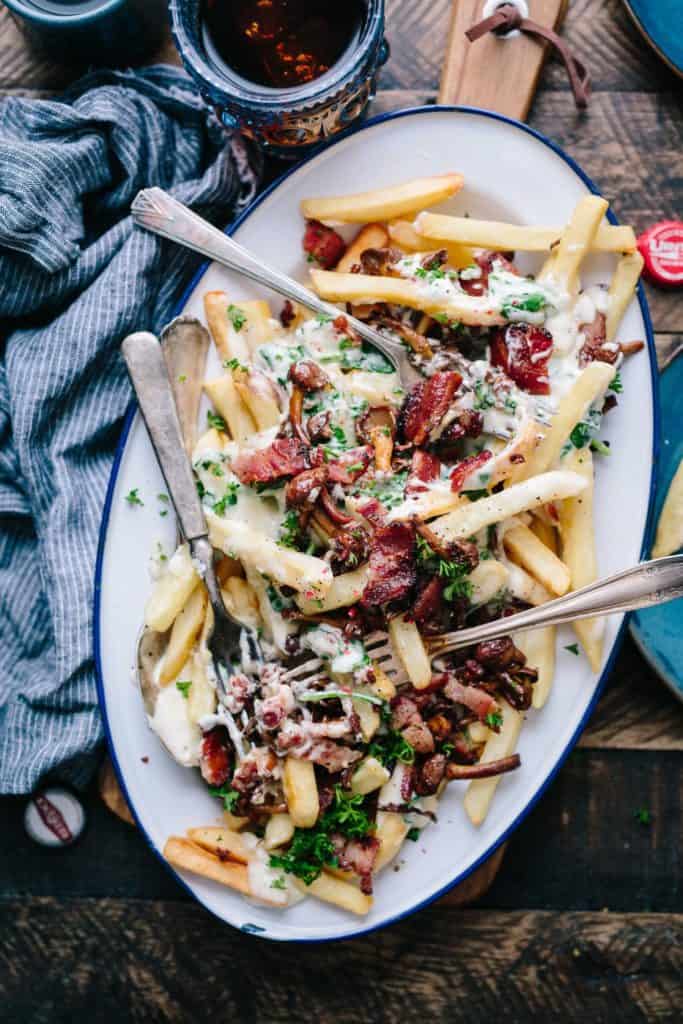
Basic Principles of Plating Food
1. Choose the Right Plate
A simple, clean plate works best. White plates are popular because they highlight the food’s colors and details.
2. Balance Colors and Textures
Use a mix of colors and textures to create contrast. Combine soft, crispy, smooth, and fresh elements for visual interest.
3. Focus on the Main Ingredient
The main component of the dish should stand out. Arrange supporting elements around it without overcrowding the plate.
4. Use Space Wisely
Avoid filling the entire plate. Leaving some empty space helps the dish look elegant and well-balanced.
Common Plating Techniques
Layering: Stack ingredients neatly to add height and depth
Framing: Arrange food around the plate’s edge
Sauce Drizzling: Use spoons or squeeze bottles for clean lines
Garnishing: Add herbs or edible elements sparingly
Plating Food at Home: Simple Tips
Wipe plate edges before serving
Use fresh herbs or microgreens for garnish
Keep portions neat and controlled
Serve food while it’s fresh and hot

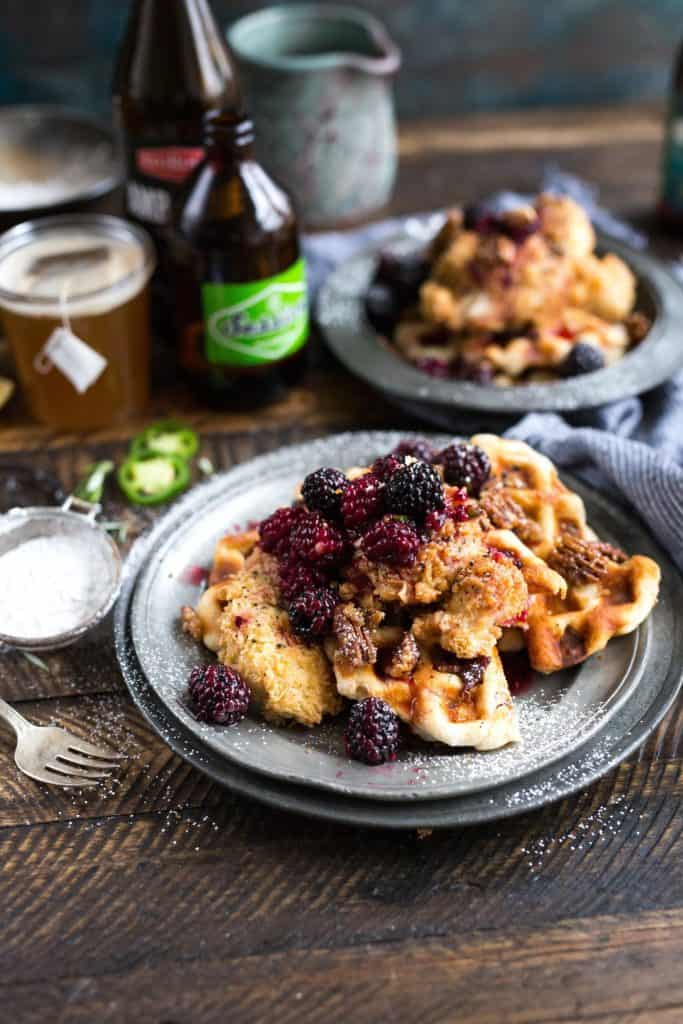
Plating Food: Advanced Tips and Creative Ideas
Plating food goes beyond simple arrangement—it tells a story about the dish. Thoughtful presentation can enhance flavors, guide the diner’s eye, and turn an everyday meal into a memorable experience.
Understanding Plate Composition:
A well-composed plate usually includes:
A focal point – the main item draws attention
Supporting elements – sides and sauces enhance the dish
Visual flow – arrangement guides the eye naturally
Placing the main ingredient slightly off-center often creates a more dynamic and professional look.
Practice Makes Perfect
Improving plating food skills takes time. Experiment with different arrangements, photograph your plates, and refine your technique with each attempt.
Conclusion
Plating food is both an art and a skill. With the right techniques, creativity, and practice, you can transform any dish into a visually stunning presentation that enhances the overall dining experience.
Plating food is a skill that improves with practice. By focusing on simplicity, balance, and creativity, anyone can create beautiful plates that enhance the overall dining experience. Even small changes in presentation can make a big difference.