Studio Lighting Basics: Types, Setup, and Tips for Beginners
Studio lighting is one of the most important elements in photography and videography. The right lighting setup can dramatically improve image quality, highlight subjects, and create mood and depth. Whether you’re a beginner or improving your skills, understanding studio lighting fundamentals is essential.
What Is Studio Lighting?
Studio lighting refers to artificial light sources used in a controlled indoor environment. Unlike natural light, studio lighting allows complete control over brightness, direction, color, and intensity, making it ideal for portraits, product photography, fashion shoots, and video production.
Types of Studio Lights
1. Continuous Lights
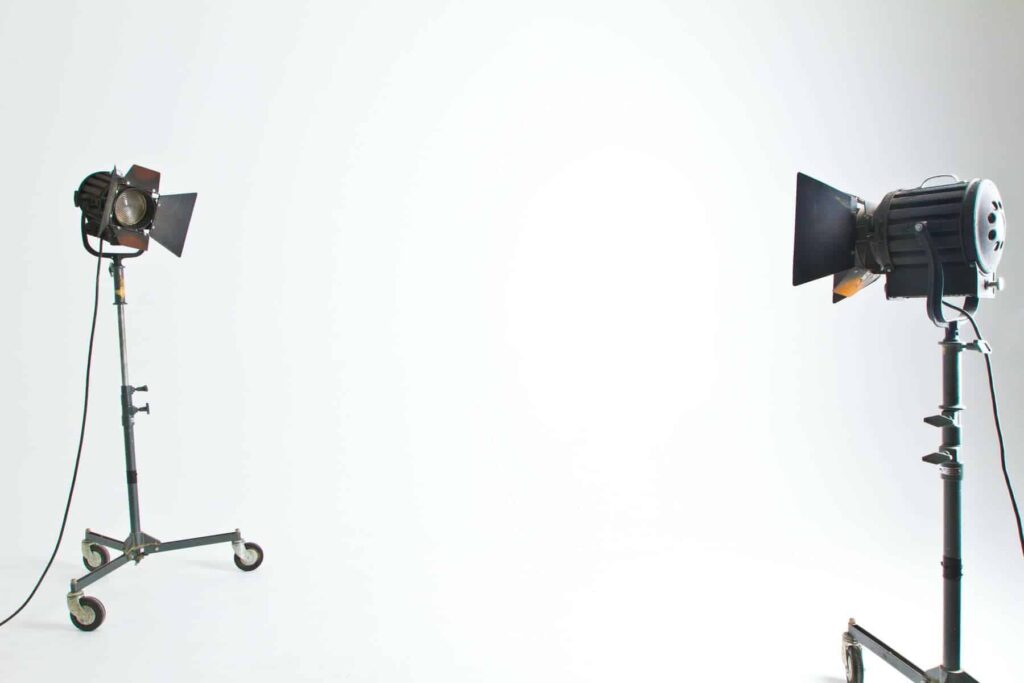
These provide constant illumination, making them ideal for beginners and video creators. You see exactly how the light falls on the subject.
2. Strobe Lights (Flash)
Strobes produce powerful bursts of light and are commonly used in professional photography for crisp, well-lit images.
3. LED Lights
Energy-efficient and versatile, LED lights are popular for both photography and videography due to adjustable brightness and color temperature.

Common Studio Lighting Equipment
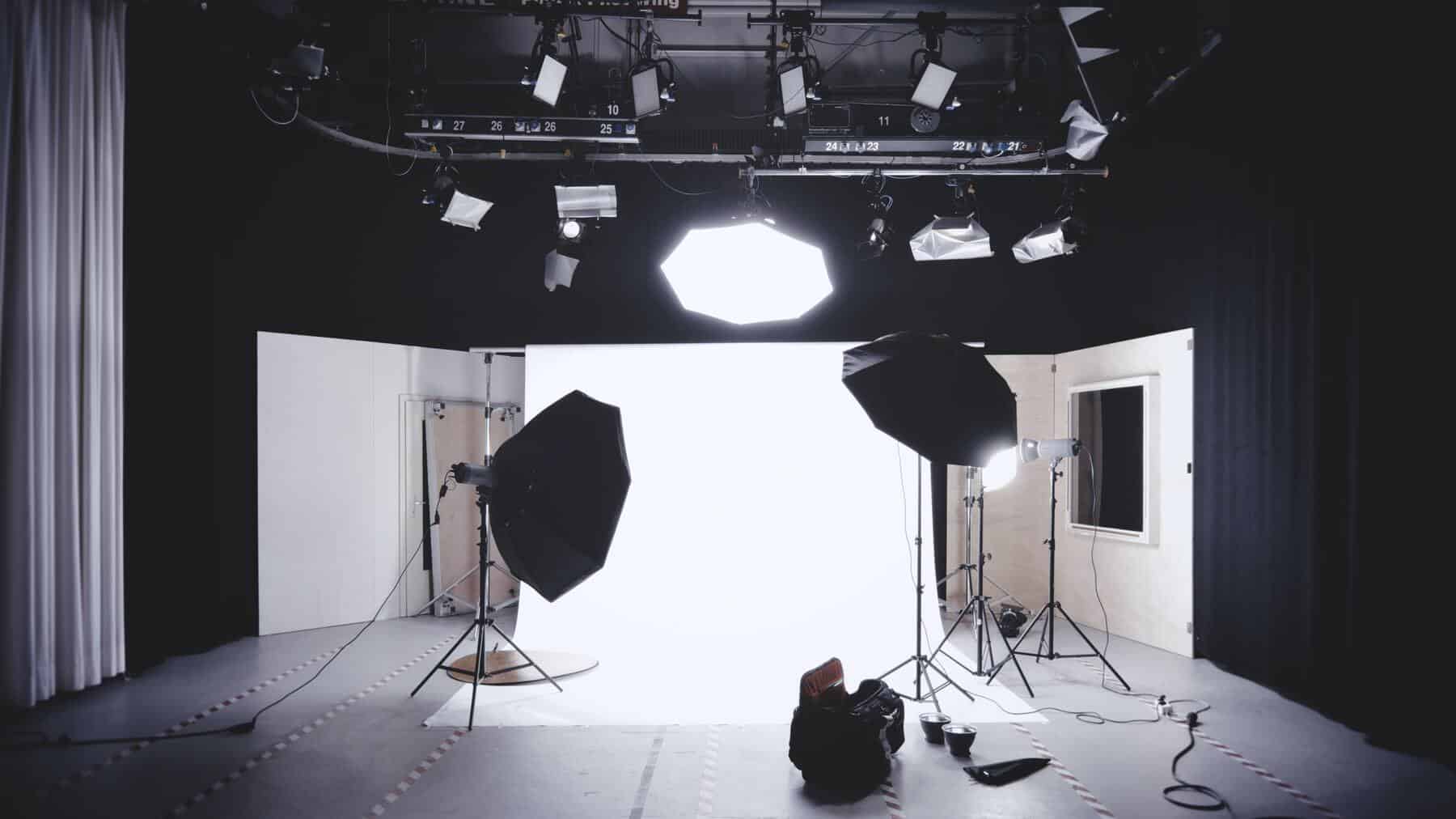
Softboxes – Soften light and reduce harsh shadows
Umbrellas – Spread light evenly
Reflectors – Bounce light to fill shadows
Light stands – Support and position lights
Diffusers – Create softer, more natural light
Basic Studio Lighting Setups
1. One-Light Setup
Perfect for beginners. A single key light placed at a 45-degree angle creates depth and dimension.
2. Two-Light Setup
Adds a fill light to reduce shadows and balance exposure.
3. Three-Point Lighting
Includes a key light, fill light, and back light to separate the subject from the background and create a professional look.
Tips for Better Studio Lighting:
Start with simple setups and add lights gradually
Adjust light angles to avoid flat lighting
Use soft light for portraits and harder light for dramatic effects
Control shadows using reflectors instead of extra lights
Keep color temperature consistent
Mastering studio lighting takes practice, but understanding the basics makes a big difference. With the right tools and setups, you can create professional-quality photos and videos in any indoor environment.